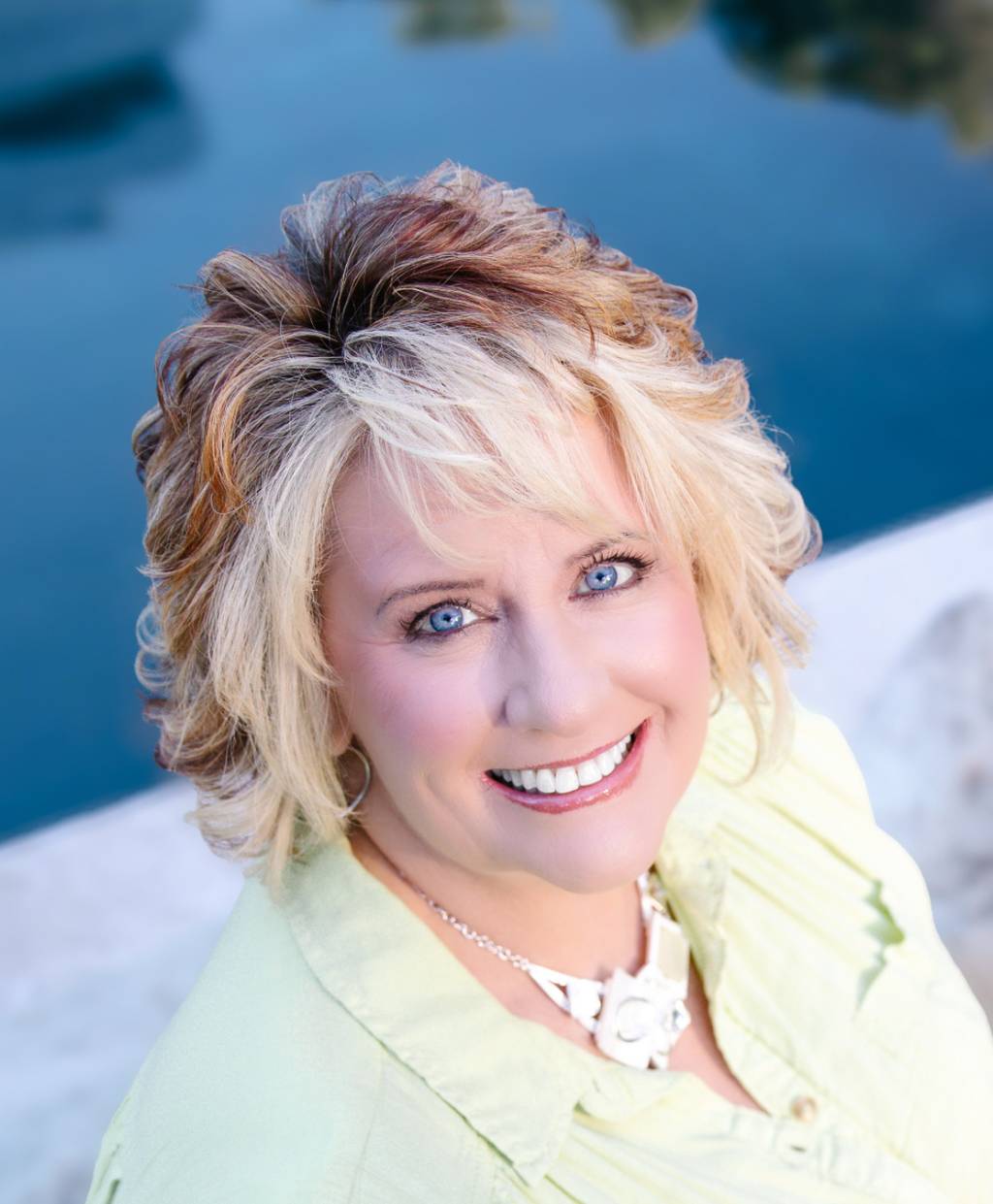


At night, when the house is quiet and my prosthetic rests beside the bed, I sometimes trace the scar where my leg used to be. It isn't anger I feel anymore. It's memory. Not just of the loss, but of the sound.
I remember the sound first. Not the impact. Not the scream of twisting metal. The sound of my own breath — sharp, shallow, caught somewhere between panic and prayer. One second I was riding home beside my husband after dinner with friends, headlights stretching across roads I had traveled countless times before. The next, I was pinned against the asphalt, my motorcycle twisted beneath me, my left leg crushed in a way I couldn't yet comprehend. There was glass in my hair, the metallic taste of blood in my mouth, and the terrifying awareness that I might be dying.
The night had been completely ordinary. Laughter over small things. Familiar routines. Plans for the next morning. Trauma has a way of shattering not just bone, but assumptions. One car passed through the intersection. The second didn't see me. The impact was immediate and violent metal against bone, body against hood, windshield against helmet. I flipped through the air before hitting the pavement. For a few suspended seconds, the sky spun above me. Then came stillness. I tried to move my leg and couldn't. I tried to lift my head and pain surged in waves. "Oh my gosh. This is it," I remember thinking. "I'm going."
It's strange what the mind does in moments like that. It slows everything down. Sounds fade. Fear rises but not in the way you expect. Instead of panic swallowing me whole, something else moved in. A calm I couldn't explain.
In the middle of twisted metal and flashing lights, I saw Jesus. And felt a firm but strong touch on my right forearm. Not in a way that felt distant or dreamlike, but present steady and unshaken, while everything around me was breaking apart. I looked up into the most beautiful eyes I'd ever seen. "When I say beautiful, I don't necessarily mean physically beautiful, I mean a depth-of-the-heart beauty. A kindness, a peace, a protection, a love that is just indescribable." Just assurance settling deep in my spirit. Then I heard Him say, "Don't be afraid. You're not alone. We've got you."
Minutes later, a Life Flight helicopter landed nearby — though no one had officially called for one. The crew had been close. They chose to land. Doctors would later say that if they hadn't, I likely wouldn't have survived the night. As the blades cut through the darkness and I was lifted from the road, I remember looking down at the intersection that had nearly taken my life. Trauma nurses surrounded me with focused determination. Even in my fragile state, I felt it, I was being carried physically and spiritually.
Before September 2011, my life had been wonderfully predictable. I was training for my first half marathon, waking before sunrise to log miles that left me breathless and proud. If you had opened my closet, you would have seen running shoes lined up like trophies. I loved the rhythm of effort — sore muscles, steady progress, the simple math of discipline equals growth. My husband and I had built a steady life together. Church on Sundays. Pets underfoot. Coffee steaming in the kitchen. Nothing extravagant. Just solid. Safe. I never imagined how fragile "normal" really is.
At the hospital, doctors didn't hesitate when they saw my leg. The damage was catastrophic — multiple compound fractures, shattered bone, destroyed tissue. Many surgeons would have chosen immediate amputation. I was told I might not make it through the night. But a young trauma surgeon paused. He believed he could save the leg. For three days, while I hovered somewhere between anesthesia and eternity, he worked bone by bone, vessel by vessel, reconstructing what most had already written off. When I woke and learned my leg was still there, gratitude felt like oxygen. Someone had fought for me. That mattered.
Recovery, however, was not cinematic. It was exhausting, painful, and painfully slow. Seven surgeries. Skin grafts. IV antibiotics threading into my veins. Setbacks that erased progress overnight. There were moments of hope, tiny improvements that felt monumental and days so heavy I could barely lift my head. Learning to walk again stripped pride clean away. You don't glide. You wobble. You cling to rails. You count steps like they're currency. For a year, I fought for that leg.
Then MRSA slipped quietly into a graft site and changed everything again. The infection was aggressive, spreading into my bloodstream and bone, clouding my memory. Entire weeks vanished into fog. At first, the gaps frightened me. Later, I would see them differently. "That was mercy," I say. "God didn't let me carry all of it." The leg that had been saved at such cost could not be saved a second time. The amputation was below the knee.
Oddly, the surgery itself wasn't the deepest wound. Within forty-five days, my marriage ended. My home was gone. My job disappeared. Some friendships quietly dissolved under the weight of prolonged suffering. The accident had been violent and visible. The unraveling afterward was quiet. Sorting through my closet one afternoon, holding a pair of running shoes I would never wear again, I broke in a way I hadn't in the hospital. It wasn't about the shoes. It was about identity. About the woman who had laced them up without thinking. "I didn't just lose a limb," I say. "I lost the life I thought I understood."
Nights were the hardest. Medication left my mind cloudy. I would try to read and realized I hadn't absorbed a single word. Sometimes I was angry. Sometimes numb. Sometimes too tired to pray properly. But I talked to God anyway. Before the accident, I believed in Jesus. After the accident, I knew Him. There is a difference between faith as tradition and faith as oxygen. On the pavement that night, I felt Him. In the hospital bed. In the silence of an empty house. In the therapy room with a counselor named Aaron who listened without trying to fix me. In the journals I began keeping first to track appointments, then to empty my heart.
Writing organized the chaos. It gave pain a container. Over time, those private pages became books, "One Foot in Heaven" and "Foot Notes: Adventures with Jesus." Words that once helped me survive, began helping others facing limb loss and unimaginable change. What started as therapy slowly became purpose.
Learning to live with a prosthesis is not triumphant music and slow-motion victory. It's adjustments and pressure points and learning how to fall safely. Balance is no longer automatic, it's intentional. I grieved my independence. I grieved spontaneity. I grieved the woman who once ran miles without thinking about every step. But slowly — so slowly I almost missed it, life widened again. I danced. I rode a horse. I stood tall in rooms I once might have avoided. Grief didn't disappear. It just stopped being the loudest voice in the room.
"Choose happy, not crappy," I say with a grin that feels earned. It isn't denial. It's defiance. It's perspective forged in hospital rooms and long nights. My life verse — Be joyful in hope. Patient in affliction. Faithful in prayer — moved from scripture on a page to survival in practice.
If you ask me what I would say to someone newly navigating limb loss, I don't offer clichés. I talk about celebrating the smallest wins, three steps without pain, a shower taken independently, a day when the prosthetic doesn't rub raw. I talk about letting yourself grieve instead of pretending you're strong. About leaning on the people who stay. About trusting that healing unfolds quietly, one stubborn step at a time.
That night on the pavement, I thought my story was ending. It wasn't. It was just being rewritten. One foot prosthetic. One foot flesh and bone. One anchored in heaven. One planted stubbornly on earth. Every step forward now carries the weight of what I lost, and the quiet miracle of what remained.
I am still walking. And that, in itself, is a miracle.